S2C: What Families should know?
- Home
- S2C: What Families should know?
Things to know going into S2C:
Apraxia
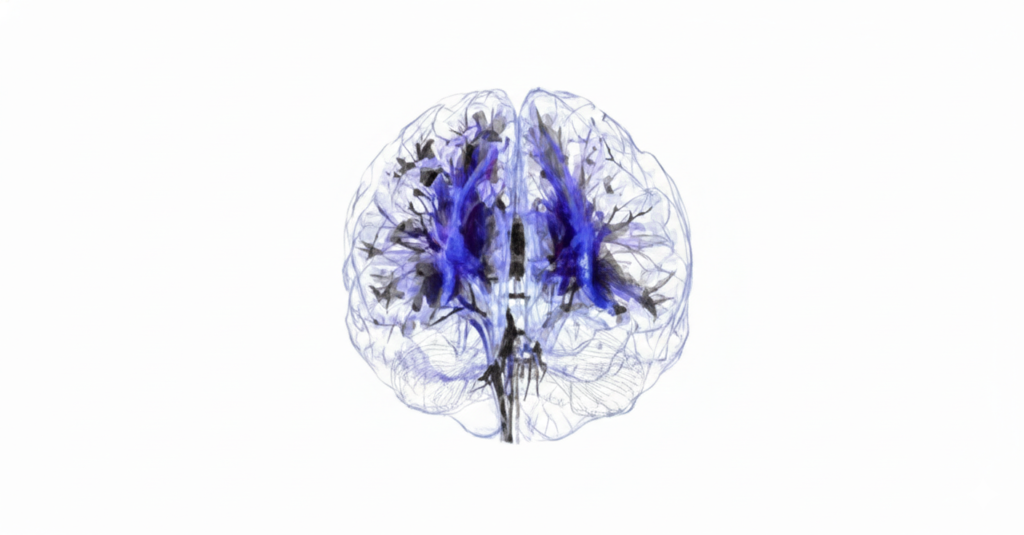
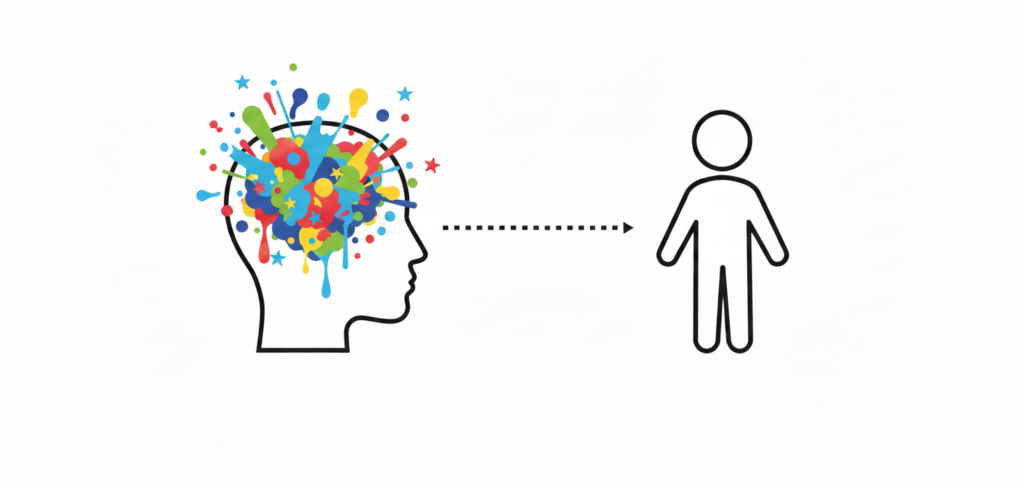
Apraxia is a disruption in the connection between the brain and the body. Individuals with apraxia understand what they want to say or do, but they often struggle to get their body to carry out those intentions. Their brain knows the plan, but the body cannot reliably follow the instructions.
Speech vs. Language
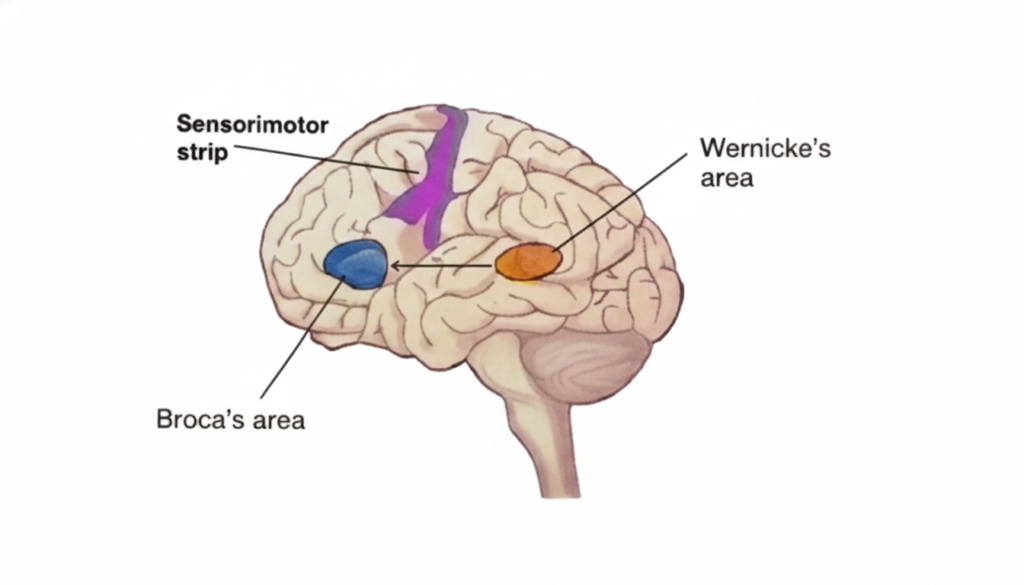
Speech is entirely a motor function—one of the most complex motor tasks the human body performs. It requires the precise coordination of hundreds of muscles and multiple cranial nerves, all operating in exact timing within fractions of a second. Language is entirely cognitive. The brain systems responsible for understanding, reasoning, and forming ideas are separate from the motor systems that produce speech and are primarily located in the left hemisphere. As a result, nonspeaking individuals can have fully intact comprehension, thought, and intelligence, even when their bodies cannot consistently produce speech.
Presuming Competence
The belief that nonspeaking, minimally speaking, and unreliably speaking individuals are capable thinkers with rich inner lives—and that they:
• understand age-appropriate concepts and can learn new information
• can develop reliable ways to communicate
• deserve respect and autonomy
• should be spoken to, taught, and included as thinking individuals
• understand age-appropriate concepts and can learn new information
• can develop reliable ways to communicate
• deserve respect and autonomy
• should be spoken to, taught, and included as thinking individuals
Gross Motor Movement
S2C shifts communication away from the fine motor demands of speech and into the use of gross motor movement, allowing individuals to communicate by moving their arm forward to point to letters on a letter board.
Practice Makes Permanent
By repeatedly practicing the movement of pointing to chosen letters, spellers build greater accuracy, endurance, and fluency, allowing them to communicate more effectively over time. We use age-appropriate, engaging lessons to create opportunities for practice. Questions are not asked to assess knowledge, but to practice the motor skill of spelling.
Lessons
Lessons engage both the brain through meaningful content and the body through spelling, which together support regulation.